Hemophilia Alliance Newsletters

June 2026 Newsletter

In This Issue...

Jeff Weighs In
Alliance Board Update

Welcome New Board Member!
by Jason Wittes, Vice Chair

The Hemophilia Alliance’s mission is to work “to ensure member Hemophilia Treatment Centers have the expertise, resources and public support to sustain their integrated clinical and pharmacy services for individuals with bleeding and clotting disorders”. Per Hemophilia Alliance by-laws, “The Board of Directors should, to the extent feasible, include members representative of the eight (8) regional networks of hemophilia treatment centers, types of programs, expertise, and experience.” The Nominating Committee of the Board is made up of the Vice Chair and two at large Board members that have the challenging job of reviewing qualifications from multiple candidates and presenting their recommendations to the full Board.

We were again blessed with a large field of excellent candidates for the recent open Board position and want to thank everyone who applied.

I am pleased to introduce Jamison Buxton, Chief Executive Officer of the Hemophilia Outreach Center, as our new Board member.

Jamison Buxton serves as Chief Executive Officer of the Wisconsin-based Hemophilia Outreach Center, where he brings 10 years of leadership experience dedicated to advancing the organization’s mission and expanding its impact. In his role, he provides strategic vision, oversees daily operations, and partners with stakeholders to strengthen programs and services that support individuals and families affected by bleeding disorders.

A member of the bleeding disorder community since 2003, Jamison brings both professional expertise and personal commitment to his work. He is known for his strong leadership, integrity, and unwavering dedication to serving others. His collaborative approach and focus on continuous improvement have helped guide the organization’s growth and enhance the quality of care and support it provides.

Outside of his professional work, Jamison enjoys spending time with his wife, Andrea, and their four children. He values summers at the cottage and enjoys outdoor activities such as hunting and fishing.

Jamison’s passion for advocacy and service, combined with his extensive experience, make him a valuable leader and a trusted voice within the community.

Advocacy and Legal Update

Washington Update
by Artemis Policy Group

CMS Releases Rule on Medicaid Work Requirements

On June 1, 2026, the US Centers for Medicare and Medicaid Services (CMS) released its long-awaited interim final rule implementing the “community engagement” requirements (also known as work requirements) that Congress adopted as part of the One Big Beautiful Bill Act of 2025 (OBBBA). This is one of the biggest changes in the OBBBA and stakeholders have been looking for this rule to provide the nitty-gritty details on how work requirements would be operationalized. A high-level summary of the rule is available here.

Background and New Policy on Medical Frailty

As previously reported, OBBBA requires adults applying for or already covered under Medicaid expansion (just one of many Medicaid eligibility pathways) to engage in 80 hours/month of community engagement (CE) activities: work, school, jobs training, volunteering, etc. The law also provides a number of exclusions and exceptions to the work requirements, including an exclusion for people deemed “medically frail,” a category that encompasses those with “serious or complex medical conditions.” During debates and passage of OBBBA, members of Congress said this language would protect medically vulnerable individuals against potentially devastating coverage losses stemming from the new policy.

In the months since OBBBA’s passage, Hemophilia Alliance and partners have advocated with CMS and state Medicaid programs that bleeding disorders are serious or complex medical conditions within the meaning of the statute. Over that same period, CMS held months of informal discussions with states about how they can operationalize the medical frailty exclusion – e.g., through adoption of lists of ICD-10 codes for serious or complex conditions (early-implementation states like Nebraska Medicaid have followed this strategy).

Unfortunately, CMS chose to pivot and go beyond the law to lay out a much narrower interpretation of “medical frailty.” According to the rule, states have to undertake a two-part inquiry to determine who is entitled to an exclusion:

  1. Does the person have a serious or complex medical condition (CMS mentions hemophilia and sickle cell disease as possible examples)? States are encouraged to develop ICD-10 code lists of such conditions, so our initial outreach was still useful. AND ALSO
  2. Does the condition impact the individual’s ability to work?


By adding a second prong to the medical frailty standard (i.e., inability to work), the rule hugely complicates the task for states to verify who is eligible for the medical frailty exclusion, as well as for providers who may be forced to evaluate whether patients are physically able to work. The overall impact of CMS’s new rule is a greatly increased risk of coverage loss for people with bleeding disorders and other serious health issues. (Most of the Medicaid coverage losses from policies like this come from red tape rather than enrollees’ failure to satisfy the underlying requirements.) We expect that there will be lawsuits challenging the rule for being inconsistent with the text of the law.

Impact for HTCs

We were hoping that people with bleeding disorders would be categorically excluded under “medical frailty” to avoid having to jump through all of the paperwork hoops. This is now much less likely. More HTC patients will have to go through the steps to demonstrate that they are meeting the CE requirements (working, going to school, etc). Some HTC patients may seek documentation from their providers that they are unable to engage in CE activities. Other HTC patients will qualify under other exclusions, such as being parents or caregivers.

As the rule currently stands, HTCs will have more work to support patients navigating CE requirements, and more of our patients might lose coverage. The Hemophilia Alliance will continue our advocacy on the federal and state levels to try to change the policy to reduce unnecessary red tape. Over the next few months, Hemophilia Alliance will also continue to provide policy updates and educational materials to help HTCs and their patients prepare for the coming changes. Stay tuned for further updates and a webinar this summer.

House Appropriations Bill Maintains Funding for Hemophilia Programs

On June 9, the House Committee on Appropriations voted to approve a FY 2027 appropriations bill for Labor, Health and Human Services, Education and related Agencies (LHHS) which maintains funding for the federal hemophilia programs, even as the bill cuts overall health spending. The bill actually increases appropriations for Special Projects of Regional and National Significance (SPRANS), the program category that encompasses HRSA’s hemophilia program. While the House report does not specify a dollar figure for the HRSA hemophilia program, it does contain language recognizing the value of that program, and expressly supports funding for “a coordinating center to disseminate best practices and advance high-quality care” – namely, the National Hemophilia Program Coordinating Center.

As in past years, the bill would maintain funding of $3.5 million for hemophilia activities at the Centers for Disease Control and Prevention (CDC), and $5.1 million in CDC funding for hemophilia treatment centers.

Passage of the Committee’s LHHS appropriation bill is only one step in the process, but it is a positive one. The Hemophilia Alliance team will continue to monitor appropriations and advocate with lawmakers for continued funding of the federal hemophilia programs.

The Administration Proposes Sweeping Revisions to Rules on Federal Grant Administration

On May 29, 2026, the Office of Management and Budget (OMB) published a proposed rule making significant changes to the Uniform Grants Guidance (UGG). Codified at 2 CFR Part 200, the UGG is a comprehensive set of regulations that dictate how all federal grants, including grants to Hemophilia Treatment Center grants, are administered. The proposal is open now for public comments until July 13, 2026.

Under the proposed rule, the basic legal framework and organization of the UGG largely would remain intact. However, new provisions codify various directives in recent executive orders relating to gender affirming care, gender ideology, and diversity, equity and inclusion. Additionally, the proposed rule requires grants to include the ability for the government to terminate funding for convenience, and for recipients to submit brief justifications prior to drawing down funds. Under the proposal, senior political appointees must approve notices of award prior to their issuance. Notably, OMB did not offer updates to indirect cost rate negotiations, although OMB did indicate that they may consider this topic in future rulemaking. The rule would be effective on October 1, 2026, and applicable to federal awards made during fiscal year 2027.

The Hemophilia Alliance will continue to provide relevant updates to members as revisions to the UGG are finalized.

Member and Community Relations Update

Working with Self-funded Plans: Opportunities and Challenges in 2026
by The Member & Community Relations Team

It has been a very busy first 6 months of the year within the payer world at Hemophilia Alliance. The Directors of Member and Community Relations (MCRs) work with and for HTCs across a wide range of entities within the payer space, advocating at the regional and national level for patient access to HTC clinics and HTC pharmacies.

When working with HTCs who are reviewing a patient’s insurance plan, MCRs recommend, as a first step, determining whether the patient has a fully insured or a self-funded group plan. The medical and pharmacy plan benefits can look similar across both categories of health plans. But there are important differences as well, including what laws apply (federal or state) and where a patient goes to contest a denial or to register a complaint.

When MCRs engage with self-funded group plans, we deal with a wide range of parties on the payer side. There are insurance brokers who develop health plans for their clients (employers) and, within that category, separate brokers of record for the medical and pharmacy benefits. There are consultant groups that work only within the pharmacy space – including even consultants who advise only on specialty drugs, i.e., high-cost medications. There are reinsurance or stop loss groups that provide reinsurance for self-funded employers, shielding their health plans from catastrophic claims. There are also vendors that support self-funded plans in roles such as third-party administrators (TPAs), pharmacy benefit managers (PBMs) and specialty pharmacies. Members of the MCR team meet with all these stakeholders to make the case for patient access to HTCs. Our message is always the same; HTCs are the gold standard of care for people with bleeding disorders. When working together, the integrated clinical and pharmacy programs result in the best health outcomes for patients and save payers money.

By virtue of our work across a wide range of self-funded payers, members of the MCR team are able to identify emerging trends within the employer health benefit networks. Of greatest concern, the MCR team is seeing a proliferation of Alternative Funding Programs (AFPs).

AFPs are programs sold by for-profit companies to self-funded health plans to cut costs, by securing “alternative sourcing” for specialty drugs used by plan enrollees. Sometimes the AFP will work with the health plan to formally exclude coverage for those drugs. More commonly, though, the AFP and plan adopt a prior authorization strategy: they implement prior authorization processes that by design lead to denials for targeted drugs, even though the drugs are deemed medically necessary. Upon receiving a denial, AFPs then instruct impacted patients to:

  1. Apply for enrollment in the relevant drug manufacturer’s Patient Assistant Program (PAP); or
  2. Move off the employer’s plan and onto a Marketplace or state-based plan; or
  3. Engage in medical tourism to acquire their medication from a foreign country.


AFPs cause serious harm, depriving patients of coverage and benefits under their employer health plans. In so doing, AFPs delay (or outright deny) patient access to their needed medications, with potentially devastating consequences for patient health. They require patients to share sensitive financial and personal information, and place patients and providers in untenable positions.

If you or your patients encounter an AFP, please bring the issue to the attention of your MCR. We can point you to helpful resources and join you in educating payers about harms and risks that AFPs entail. And gathering data and examples of AFP abuses can help the Hemophilia Alliance in its ongoing advocacy with federal and state lawmakers as we urge regulators and legislators to rein in this dangerous practice.

Administration and Operations Update

Welcoming Mike and Nyla to Team Alliance!
by Heidi Lane

Please join us in welcoming two fantastic new team members: Mike Popa, our new Payer Analyst who joined in April, and Nyla Page, our new Administrative Assistant, who joined Team Alliance in May.

Mike has a background in clinical quality improvement, operations, and strategic planning at the Ohio State University Medical Center and James Cancer Hospital. He also spent several years in public health working at the Ohio Department of Medicaid and later the Ohio Department of Developmental Disabilities as their Budget Chief. Prior to joining the Alliance, Mike spent some time as a Senior Health Care Consultant for state Medicaid programs.

 

Nyla grew up in New Hampshire before relocating to Florida in search of warmer weather and new opportunities. She earned her degree in Business Administration with a concentration in Nonprofit Management, blending her interest in organizational operations with a passion for mission‑driven work. Her background includes experience in healthcare as a vision therapist, as well as supporting administrative operations across multiple medical practices—roles that strengthened her organizational skills, adaptability, and patient‑centered approach. Nyla enjoys spending time outdoors, caring for her rescue dogs, and teaching dance.

We’re excited to welcome both Mike and Nyla to the team and look forward to the expertise and energy they bring to Team Alliance.

2026 Fall Members Meeting & Hill Day: Registration Now Open!
by Admin & Ops

Registration is now open for the 2026 Fall Members Meeting and Hill Day, taking place this September — just weeks before the midterm elections. With Congress in full election‑year mode, this is a crucial moment to reinforce our message with current Members and their staff. Even though no newly elected Members will be seated until January, offices are actively shaping priorities and responding to constituent concerns during this high‑attention period.

Why We’re Going to Capitol Hill
Election years bring shifting legislative priorities and staff transitions. That makes it especially important for us to meet with Congressional offices to:

  • Re‑educate policymakers about bleeding disorders
  • Highlight the essential role of Hemophilia Treatment Centers
  • Emphasize the importance of the 340B Program in sustaining comprehensive care


Who Can Participate
We encourage all Alliance members to participate in Hill Day. Your expertise and experience are invaluable in helping Congressional offices understand the real‑world impact of federal policy decisions. We also invite each center to bring a patient advocate.

Patient Travel Support
The Hemophilia Alliance will cover airfare, hotel accommodations, and ground transportation in Washington, DC for participating patients. If you have a patient who is interested in attending, please have them contact Theresa Parker at theresa@hemoalliance.org.

Educating vs. Lobbying: What You Need to Know
As you prepare for your Hill meetings, it’s important to understand the distinction between education and lobbying:

  • Educating means sharing information about HTCs, hemophilia basics, and the importance of the 340B Program.
  • Lobbying means asking for a specific action, such as co‑sponsoring a bill or signing a letter.


HTCs may engage in lobbying — as long as grant funds or program income are not used to pay for the time spent lobbying.

Your Voice Matters — Especially Right Before Elections
Meeting with Congress just before the midterms gives our community a unique opportunity to ensure that policymakers hear directly from the clinicians, administrators, and patients who understand these issues best. By showing up together, we strengthen our collective voice and help protect the comprehensive care model that has served patients for decades.

Register for the Fall Member Meeting and Hill Day by logging into the member portal and navigate to the event page.

Nurses Report Strong Practice Impact and High Value from the 2026 Hemophilia Alliance CE Meeting
by Stephanie Sibrel, Nurse Navigator – Cascade Hemophilia Consortium and Heidi Lane

Hemophilia Alliance was pleased to welcome 51 member nurses from across the nation to the 3rd Annual Hemophilia Alliance Nurse CE Meeting, May 3-5, 2026, at the Renaissance Chicago Downtown Hotel in Chicago, Illinois. The meeting provided continuing education on topics relevant to national grant goals, von Willebrand disease, multi-disciplinary collaboration, peri-partum and neonatal care in bleeding disorders, platelet disorders, movement, and managing overload.
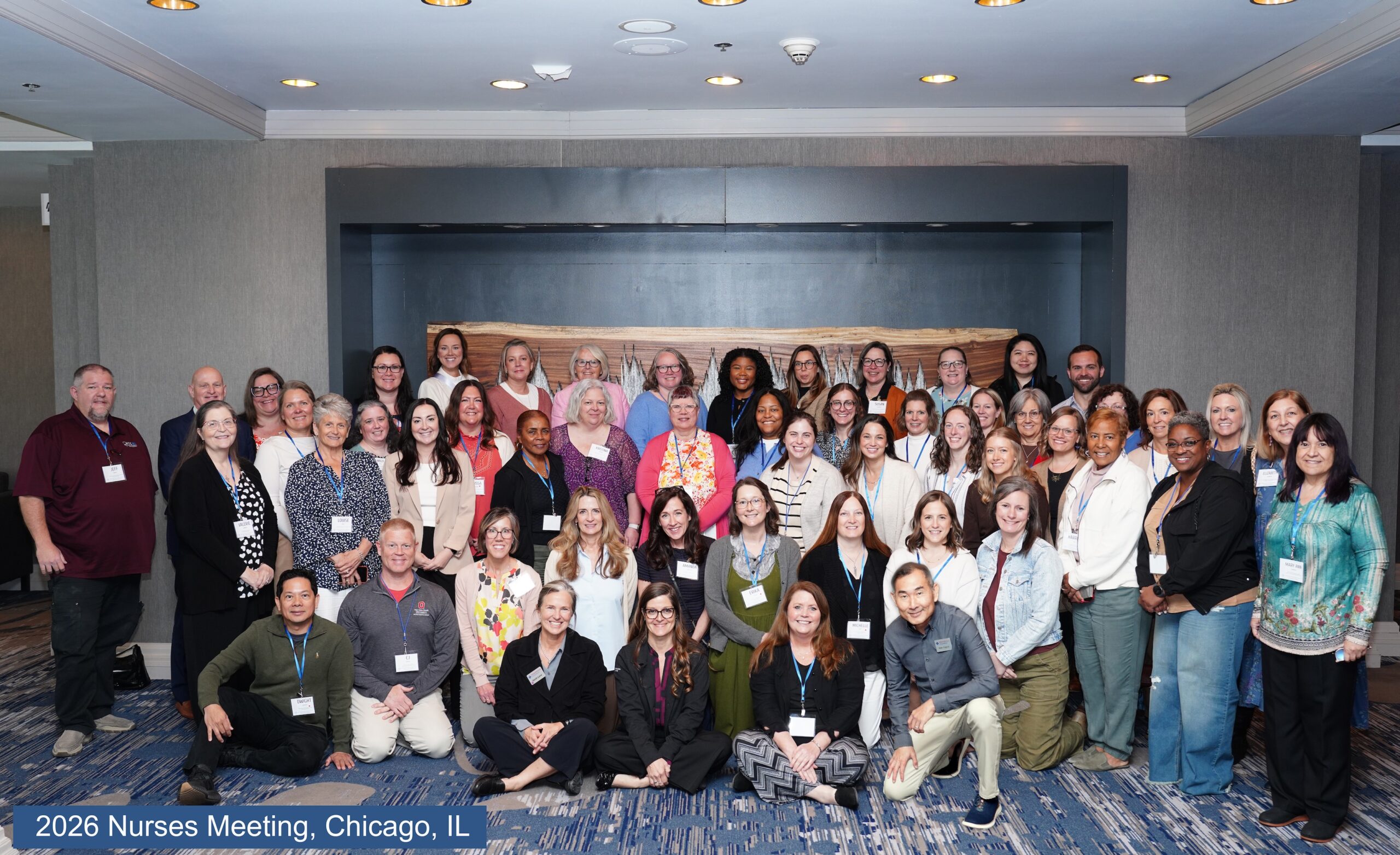
[Click on image for larger version]

Team Alliance and the Planning Committee’s goals for the Nurses CE Conference were to support practice and education for nurses who care for bleeding disorder patients at member Hemophilia Treatment Centers (HTCs), while not duplicating or replacing other nationally esteemed HTC nurse training programs. The hope is that attendees grow in their role, not only through the continuing education component, but also by having the opportunity to meet and collaborate with a network of equally enthusiastic HTC nursing colleagues who provide support, encouragement, and mentorship.

Results from the meeting evaluation survey suggest those goals were met, with respondents reporting a renewed sense of confidence and leadership. Nurses reported feeling better prepared to manage bleeding disorders, more aware of how HTC systems function, and more inspired to continue their professional development. The high‑quality speakers, relevant topics, and supportive environment for open discussion all contributed to a rich learning experience. Participants highlighted improvements in:

  • Understanding clinical scenarios and treatment planning
  • Awareness of newer therapies and product options
  • Approaches to patient education and surgical preparation
  • Strategies for navigating insurance complexities and 340B program considerations


Participants expressed deep gratitude to Genentech for co‑sponsoring the event, and to the planning committee, speakers, and Team Alliance for creating a successful program of professional development and networking.

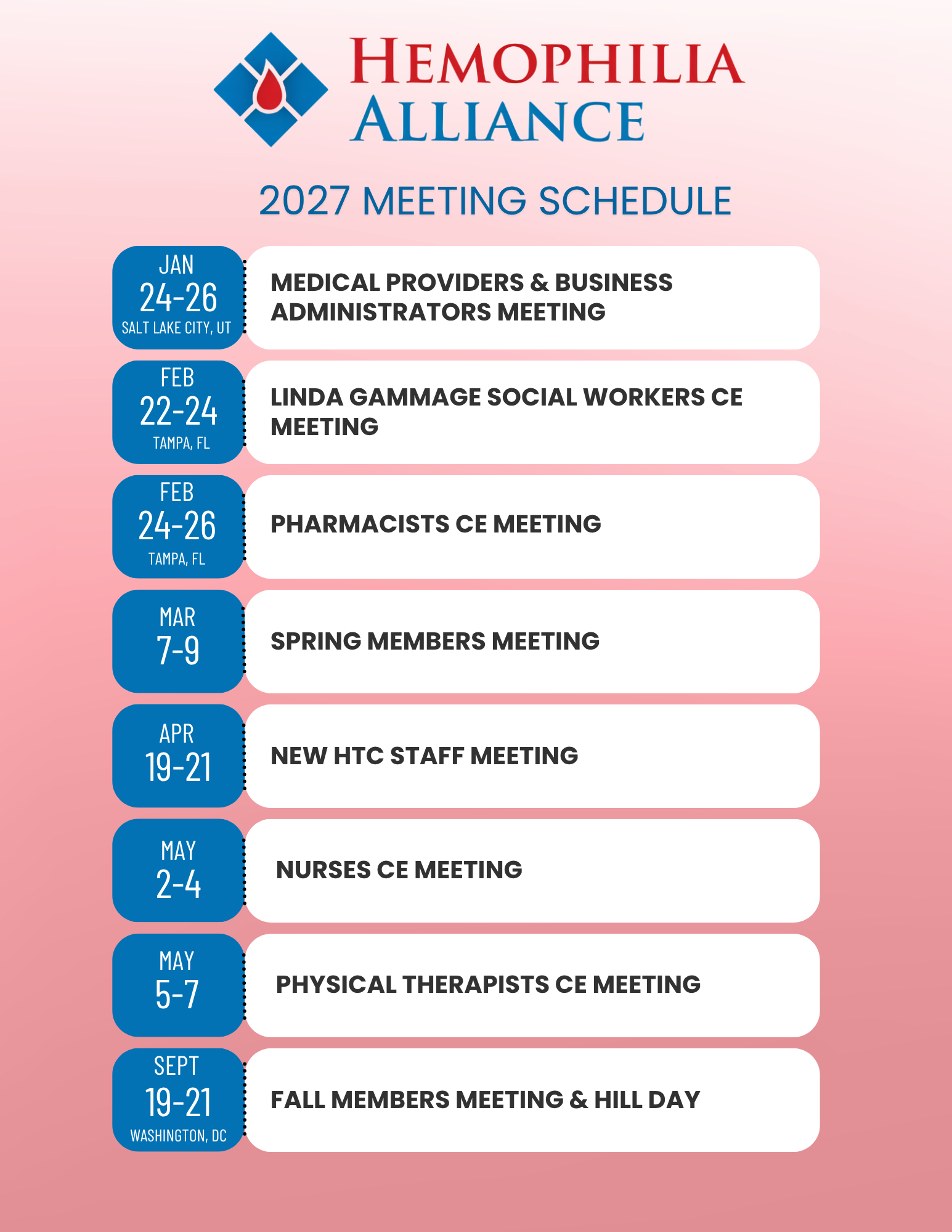
Next year’s meeting will take place May 2-4, 2027, location TBD. Registration will open early in 2027 and is limited to Hemophilia Alliance Member HTC staff. For questions, please contact Theresa Parker at theresa@hemoalliance.org.

PTs Unite in Chicago for the 3rd Annual Hemophilia Alliance CE Conference
by Jennifer Newman, PT MSPT – UNC Hemophilia Treatment Center

Forty-eight physical therapists representing all regions traveled to Chicago, May 6–8, 2026, for the 3rd annual Hemophilia Alliance PT Continuing Education Meeting. This conference focuses on networking and fostering relationships across the PT community while providing education and CEUs.
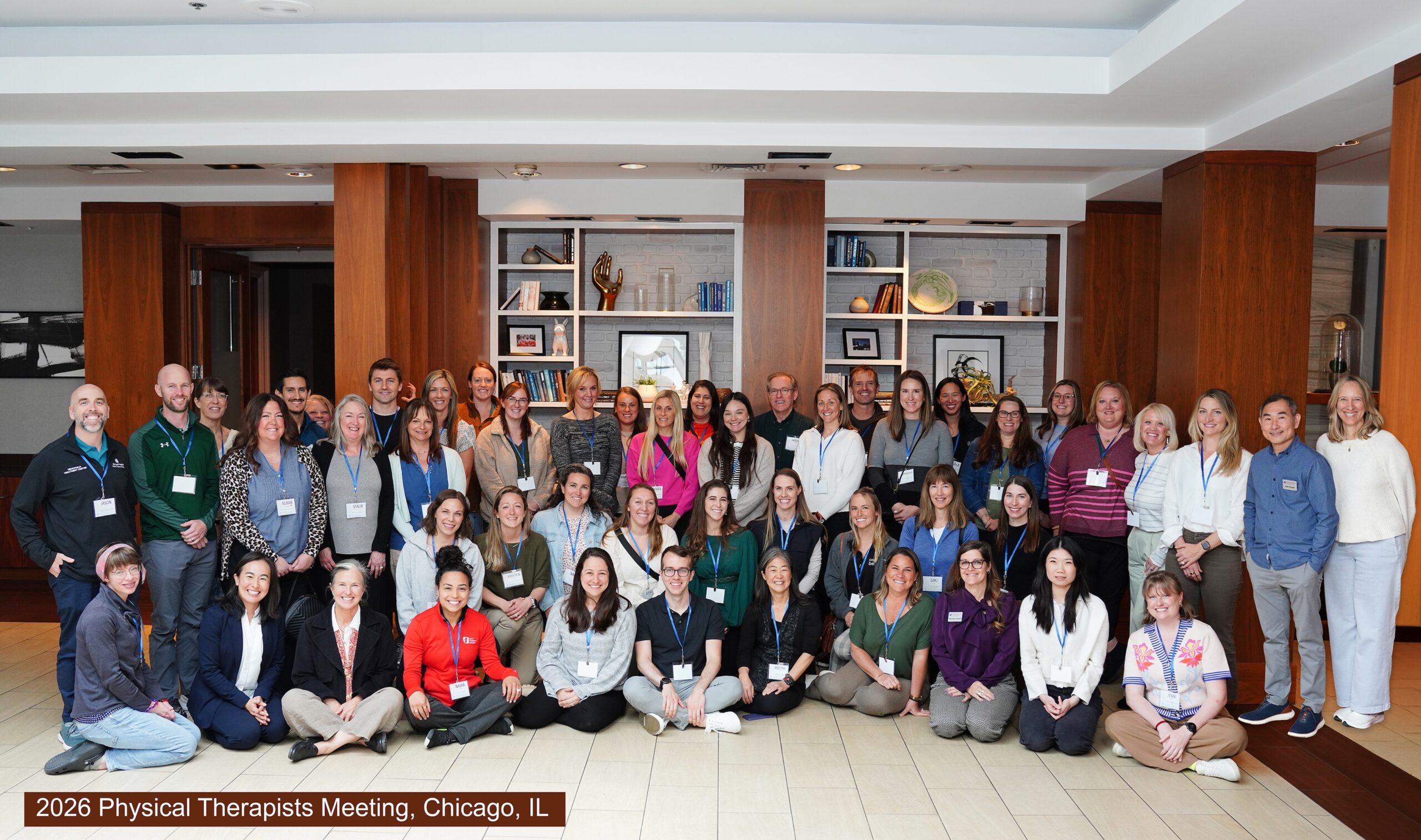
[Click on image for larger version]

Educational topics included musculoskeletal triage, muscle bleeds and movement system syndromes, mentorship and mentee opportunities, professional development planning, 340B program overview, national resources, study design for clinical trials, and a hot topic discussion. Education was delivered through lectures, small group breakouts, and engaging discussions. Attendees, with backgrounds ranging from novice to expert, had the opportunity to ask questions, think critically, and consider opportunities for growth in their current roles. Feedback was overwhelmingly positive, and attendees left feeling motivated and ready to apply what they learned in their respective clinics.

We extend our sincere thanks to our meeting co-sponsor, Genentech, for supporting this opportunity for physical therapists to network and learn about the latest research findings. A big thank you, too, to the planning committee, session speakers, and the Hemophilia Alliance for creating a successful few days of professional development and networking.

Next year’s meeting will take place May 5–7, 2027, location TBD. Registration will open early in 2027 and is limited to Hemophilia Alliance Member HTC staff. For questions, please contact Theresa Parker at theresa@hemoalliance.org.
Notes From The Community

The Hemophilia Alliance Foundation Announces Scholarship Winners

The Hemophilia Alliance Foundation Joe Pugliese Educational Award is a scholarship award provided annually to individuals diagnosed with an inherited bleeding or thrombotic disorder in support of post-secondary educational pursuits. The award was initiated to honor Joe Pugliese, who was influential in founding of the Hemophilia Alliance and led the Alliance for many years as President and CEO.

The education award, funded through the generosity of Hemophilia Alliance and The Alliance Pharmacy (TAP), is planned to provide each of four recipients with $12,500 for tuition and/or any qualified educational expense to be used within one academic year of award receipt. 

It is a shared goal of Hemophilia Alliance and Hemophilia Alliance Foundation (HAF) that this scholarship program continues for many years to come to ensure that individuals diagnosed with heritable bleeding or thrombotic disorders are supported throughout their professional careers. 

This year, the HAF was fortunate to secure one-time additional funding from Hemophilia Alliance and TAP, allowing four additional awards at $10,000 each.

The HAF is pleased to announce this year’s winners:

$12, 500 Awards

  • Jesse Chapall
  • Ryleigh McFarland
  • Isabella Lucha
  • Luc Chapall


$10,000 Awards

  • Mikaela Kottelich
  • Alexander Igielinski 
  • Damon Hess 
  • Jamie Valadez-Castaneda 


Congratulations to all our winners and the best of luck in your future endeavors.

A huge heartfelt thank you to both Hemophilia Alliance and The Alliance Pharmacy for your generous donations to the scholarship fund.

Impact Grants 2026: Empowering Change, Inspiring Solutions!
by the Hemophilia Alliance Foundation

The Hemophilia Alliance Foundation (HAF) is thrilled to announce the opening of applications for our 2026 Impact Grants!

Since 2009, we’ve been committed to supporting over 140 chapters, treatment centers, regional core centers, and bleeding disorders organizations dedicated to enhancing the lives of those with heritable bleeding and thrombotic disorders.

Formerly known as Innovation Grants, the Impact Grants program continues our commitment to funding meaningful, forward‑thinking projects that strengthen care, expand access, and uplift the bleeding disorders community.

Key Grant Details:

  • Grant Amount: Up to three grants of $50,000 per grant available.
  • Priority Areas for Funding:
    • Capacity Expansion: Support projects that offer new or expanded services or services to currently unserved or underserved bleeding disorders populations.
    • Collaboration: Encourage collaboration between two or more organizations.
    • Innovation: Foster innovative solutions.
  • Who Can Apply:
    • Organizations must have IRS tax exempt 501(c)(3) or other nonprofit status.
    • National and local organizations exclusively serving persons with heritable bleeding and thrombotic disorders, local hemophilia/bleeding disorders, chapters, Hemophilia Treatment Centers, and HHS-designated regional hemophilia core centers.


Please Note:
Grants cannot cover administrative costs, research, event sponsorships, unrelated salaries, promotional items, or recurring expenses.

Key Dates:

  • Application Deadline: July 17, 2026
  • Project Period: September 1, 2026 – August 31, 2027


Ready to make a difference? Visit our website for more details and to submit your application: https://hemophiliaalliancefoundation.org/grant-information

Need help with your application? We can direct you to additional resources that will help you submit a strong application. Reach out to: Audra Ames, PhD, HAF Administrator at: audra@hemophiliaalliancefoundation.org.

Together let’s make an IMPACT for a brighter, healthier future for those with bleeding and clotting disorders!

340B Grantee Spring Conference 2026
by Karen Bowe-Hause and Heidi Lane

Hemophilia Alliance recently attended the 340B Grantee Spring Conference in Houston, Texas, held May 28 – 30, 2026. We were especially excited to see one of our members, Marisela Trujillo, Director of the Gulf States HTC, featured on a panel discussing navigating uncertainty in the 340B world. Marisela did a great job highlighting the important work HTCs are doing and gave the Alliance several shoutouts for the support we provide. It is always gratifying to see our community represented so well.

The 340B Grantee Conference provides a platform for 340B grantees – including federally qualified Hemophilia Treatment Centers, Ryan White Clinics, federally qualified Health Centers (FQHCs), and FQHC Look-Alikes — to come together to share best practices, learn from experts in the field, and network with colleagues from around the country. Offering presentations, panel and roundtable discussions and workshops, as well as breakout sessions featuring a variety of topics useful to all attendees, the conference is focused on the unique needs and challenges faced by 340B grantees.

The Alliance encourages members to participate in future Grantee Conferences, especially as 340B challenges continue to grow in the current environment. While the Grantee Fall conference typically conflicts with our Member Meeting, we remain committed to supporting increased HTC engagement and exploring opportunities for stronger participation moving forward.

Have a story you want to share or a topic you would like us to cover?

Team Alliance Contact Information

We work for you! Please don’t hesitate to contact any of us with any questions or concerns:

Name Email Phone
Jeff Blake jeff@hemoalliance.org 317-657-5913
Jennifer Borrillo, MSW, LCSW, MBA borrillo@hemoalliance.org 504-376-5282
Heidi Lane, PT, DPT, PCS heidi@hemoalliance.org 435-659-1230
Angela Blue, MBA angela@hemoalliance.org 651-308-3902
Karen Bowe-Hause karen@hemoalliance.org 717-571-0266
Jazzmine Brown, MBA, MSW, LCSW jazzmine@hemoalliance.org 770-570-2649
Ashley Castello, MEd ashley@hemoalliance.org 225-266-5062
Zack Duffy zack@hemoalliance.org 503-804-2581
Michael B. Glomb MGlomb@ftlf.com 202-466-8960
Miriam Goldstein mgoldstein@artemispolicygroup.com 703-304-8111
Johanna Gray, MPA jgray@artemispolicygroup.com 703-304-8111
Kiet Huynh kiet@hemoalliance.org 917-362-1382
Elizabeth Karan elizabeth@karanlegalgroup.com 612-202-3240
Kollet Koulianos, MBA kollet@hemoalliance.org 309-397-8431
Roland P. Lamy, Jr. roland@hemoalliance.org 603-491-0853
Dr. George L. Oestreich, Pharm.D., MPA george@gloetal.com 573-230-7075
Nyla Page nyla@hemoalliance.org 603-986-0733
Theresa Parker theresa@hemoalliance.org 727-688-2568
Mike Popa popa@hemoalliance.org 614-563-7606
Jennifer Anders Rose rose@hemoalliance.org 954-218-8509
Kelly Waters, MSW, LCSW kelly@hemoalliance.org 804-317-4998