Hemophilia Alliance Newsletters

October 2026 Newsletter

In This Issue...

Jeff Weighs In

We Have Moved!


The Hemophilia Alliance has a new mailing address! As we continue supporting our members and the bleeding disorders community, we want to make sure you know where to reach us.

Please update your records and directories with our new mailing address:

Hemophilia Alliance
P.O. Box 17081
Clearwater, FL 33762

Please begin using this address for all future mailings and correspondence to the Alliance. We appreciate you helping us make this transition as seamless as possible.

Alliance Updates

The Hemophilia Alliance Welcomes New Team Members!
by Alliance Staff

Please join us in welcoming two new team members to the Alliance staff!

Theresa Bello, PharmD, RPh, is the Alliance’s new Director, Pharmacy Network Contracting & Public Payer Relations, who officially joined the Member & Community Relations Team October 26th. She has over 20 years of experience in the field of pharmacy including operations, 340B program strategy, and collaboration with managed care.

Theresa started her pharmacy career by becoming a pharmacy technician at her local supermarket pharmacy. She then attended the Ernest Mario School of Pharmacy at Rutgers University where she graduated cum laude with a Doctor of Pharmacy degree. While working as community pharmacist, she found her passion working for medically underserved communities with uninsured and underinsured patient populations. This led to her career working for her local Federally Qualified Health Center. As Director of Pharmacy, she opened their first in-house 340B pharmacy, which grew to six pharmacy locations and ten contract pharmacies. She was then promoted to Vice President of Quality Assurance where she built a healthcare quality improvement program in collaboration with her state’s managed Medicaid plans. Theresa has also implemented several vaccine programs, developed Title X Family Planning services, and was awarded the Paragon Award for her work in pharmacy technician recruitment.

Theresa is licensed in both New Jersey and Florida. She resides at the Jersey shore with her family. On her days off Theresa enjoys going to the beach, taking salsa and bachata lessons, and reading for her book club.

Danisha Nicolas, MPH, is the Alliance’s new Payer Analyst. She also officially joined the Admin & Ops Team October 26th.

Danisha is passionate about using data to translate complex healthcare information into meaningful insights. In her new role, she will support the Alliance’s payer and pricing analysis. Prior to joining the Alliance, she served as a Healthcare Data Analyst with the Florida Agency for Health Care Administration, where she analyzed Medicaid and healthcare program data and supported reporting and program operations.

Danisha earned her Master of Public Health from Florida State University and her Bachelor of Science in Public Health from the University of South Florida. Her academic and professional experience has strengthened her commitment to improving healthcare through data, collaboration, and continuous learning. Outside of work, Danisha enjoys traveling, exploring new places, trying new restaurants, spending time with family and friends, and taking on new experiences.

We are excited to welcome both Danisha and Theresa to Team Alliance and look forward to the expertise and perspective they will bring to our work!

Advocacy and Legal Updates

Medicaid Changes Start to Take Effect
by Artemis Policy Group

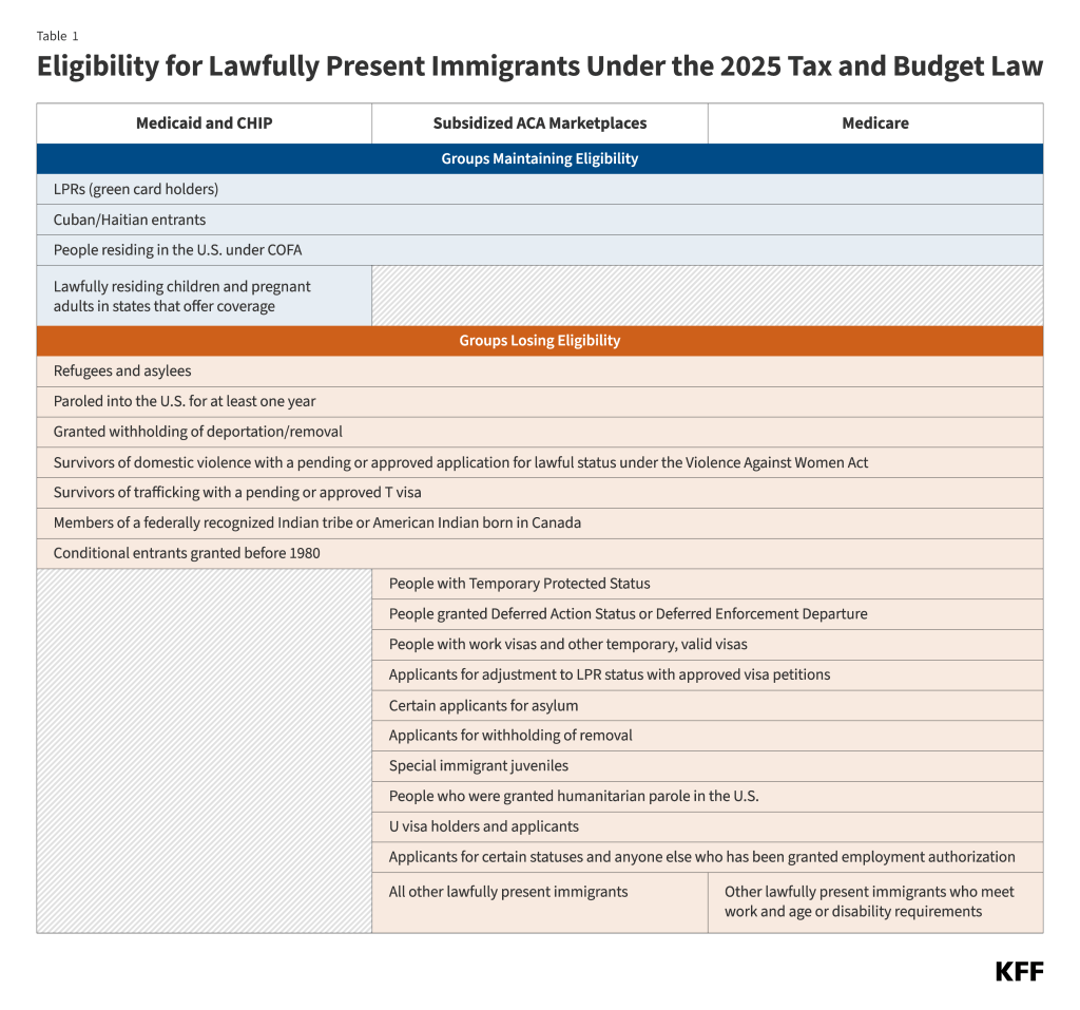
As previously reported, a federal law enacted in 2025 (H.R. 1, originally called the One Big Beautiful Bill Act) is starting to dramatically reshape the Medicaid program. On October 1, 2026, new policies went into effect ending eligibility for federally-funded Medicaid and CHIP coverage for certain groups of lawfully present immigrants. (See KFF table reprinted below; for information on state-funded Medicaid and CHIP programs that continue to provide coverage for certain groups of lawfully present immigrants, see this additional KFF resource.) HTCs should note that in families with blended immigration statuses, family members who are U.S. citizens remain eligible for Medicaid/CHIP coverage.

Other major changes to Medicaid eligibility are coming for HTC patients and millions of other Americans when H.R. 1’s “community engagement” [work] requirements go into effect for adults covered under the Medicaid expansion pathway. The Hemophilia Alliance, working with national bleeding disorders partners, has created a toolkit that we hope will help HTCs, chapters, and member organizations understand and explain Medicaid work requirements to the patient communities you serve. The toolkit includes both a comprehensive overview of the new requirements and individual pages or sections that you may wish to use in your communications with patients.
Alliance Hill Day

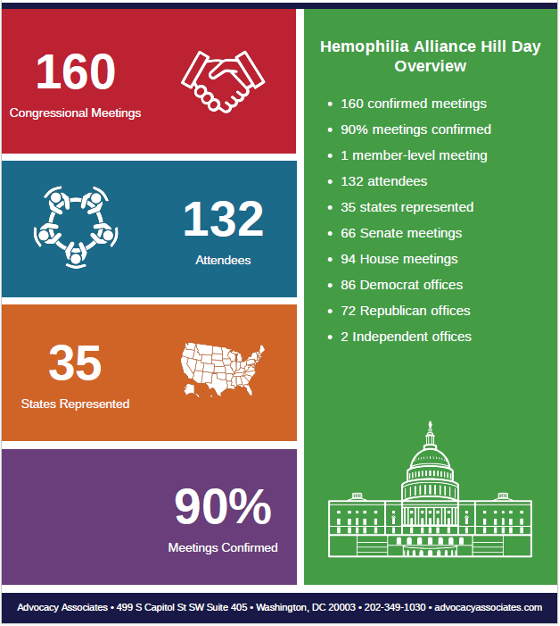
The Hemophilia Alliance held its 15th Hill Day on September 29, 2026. Participating advocates included patients and families living with bleeding disorders; hemophilia treatment center (HTC) staff; and representatives from the National Bleeding Disorders Foundation, Hemophilia Federation of America, and the Coalition for Hemophilia B – in all, 132 people from 35 states! The group visited 160 offices across Capitol Hill to educate lawmakers about bleeding disorders and policies important to the bleeding disorder community:

  • The importance of the federal hemophilia programs at HRSA and CDC.
  • The need to maintain HTCs’ ability to participate in the 340B program, and to avoid one-size-fits-all reforms that ignore the unique characteristics of HTC 340Bs.
  • Ending copay accumulators, maximizers, and other insurer practices that make it hard for patients to afford their medicines and stay on therapy.


The Hemophilia Alliance thanks all the individuals and groups who participated in this year’s Alliance Hill Day. Our unified voice helps lift up policies that will benefit all people living with bleeding disorders!
Member and Community Relations Updates

Open Enrollment Is Here: Helping Patients Protect Access to Hemophilia Care
by Jennifer Borrillo, Senior VP of Member & Community Relations

Open enrollment is an important opportunity for people with bleeding disorders and their families to review health coverage for the coming year. Even when a patient’s current plan remains available, changes to provider networks, pharmacy arrangements, formularies, utilization management requirements, and cost sharing can affect timely access to factor products, gene therapy services, specialty care, and the patient’s trusted Hemophilia Treatment Center (HTC). A proactive review can help identify concerns before new coverage takes effect.

Key Dates for 2027 Coverage

  • Medicare Open Enrollment: October 15–December 7, 2026. Changes take effect January 1, 2027.
  • HealthCare.gov Marketplace Open Enrollment: November 1, 2026–January 15, 2027. Enrollment by December 15 is generally required for coverage beginning January 1; later enrollment generally begins February 1. (See https://www.healthcare.gov/downloads/apply-for-or-renew-coverage.pdf for a list of what you will need to apply or re-enroll)
  • Employer-sponsored Coverage: Dates vary by employer.
  • State-based Marketplaces: Deadlines may differ, so patients should confirm dates with their state exchange.


What Patients Should Review

  • HTC and Provider Participation: Confirm that the HTC, hematologist, hospital, laboratory, and other essential clinicians are in network for 2027.
  • Pharmacy Access: Determine whether the plan requires a designated specialty pharmacy and whether the patient may continue using the HTC pharmacy or preferred dispensing provider.
  • Medication Coverage: Review the formulary for factor products, non-factor therapies, and other prescribed medications, including tier placement and any exclusions.
  • Utilization Management: Look for prior authorization, reauthorization, step therapy, site-of-care, quantity-limit, or medical-necessity requirements.
  • Out-of-pocket Exposure: Compare premiums, deductibles, coinsurance, copayments, and annual out-of-pocket maximums. It’s important not to pick plans based on premiums alone!
  • Medical versus Pharmacy Benefit: Confirm how each therapy will be covered and billed, especially when changing products or considering gene therapy.
  • Coordination of Benefits: Review how the plan works with Medicare, Medicaid, employer coverage, manufacturer assistance, or other secondary coverage.


How Member HTCs Can Help

HTCs can reduce avoidable disruptions by beginning outreach early and encouraging patients not to rely on automatic renewal. Consider sharing a brief checklist through patient portals, social media, clinic visits, and pharmacy communications. Ask patients to bring their Annual Notice of Change, Summary of Benefits and Coverage, formulary, provider directory, and current medication list to a benefits review. Document anticipated plan changes, start authorizations before current approvals expire when permitted, and establish clear escalation pathways for network or coverage concerns.

When patients compare plans, remind them to obtain confirmation directly from both the health plan and the HTC whenever possible. Online directories and formularies can change, and a plan’s name alone does not confirm that a particular provider, location, pharmacy, or therapy is covered. Patients should keep notes of calls, reference numbers, and copies of plan materials.

“Junk,” non-ACA-compliant plans are widely advertised and can lure patients with the promise of lower-cost coverage. These plans provide inadequate coverage, especially for patients with bleeding disorders. Junk plans are widely advertised and show up as top results in many Google searches (even in response to inquiries about “Obamacare”). Patients shopping for non-employer coverage should be reminded to start their search on healthcare.gov or on their official state-based Marketplace site.

Start the Conversation Now

Open enrollment is more than a yearly administrative task—it is a critical point of care continuity. Early conversations give patients, caregivers, HTC staff, and health plans more time to resolve network questions, clarify benefit requirements, and prepare for January 1. Member HTCs are encouraged to connect patients with their center’s financial counselor, social worker, pharmacy team, or other designated benefits resource for individualized support.

Why U.S. Health Insurance Feels So Complicated and What It Means for Hemophilia Treatment Centers
by Jennifer Borrillo, Senior VP of Member & Community Relations

Hemophilia Treatment Centers (HTCs) see the benefits of comprehensive, team-based care every day, but HTCs also see how insurance complexity can delay treatment, increase administrative burden, and create uncertainty for patients and families. The U.S. does not have a single health insurance system. It has multiple coverage lanes, layered regulations, and several organizations involved in paying for and approving care.

Here is a quick primer on the “many systems in one” reality and how it shows up in access to factor, non-factor therapies, gene therapy pathways, and comprehensive HTC care.

  • Employer-sponsored Insurance (ESI): Most working-age patients are covered through an employer plan. Benefits, specialty pharmacy requirements, and prior authorization rules can differ dramatically across employers even within the same insurance brand.
  • Individual Coverage (ACA Marketplace/off marketplace): Coverage depends on income, household size, and state rules. Formularies, network design, and specialty drug policies can vary by plan tier and carrier.
  • Government-sponsored Public Programs: Medicaid/CHIP (state-run, income-based), Medicare (federally-run, age/disability-based), and TRICARE (military/veterans).
  • Uninsured/Underinsured Periods: Coverage gaps can happen with job changes, renewals, or paperwork issues. Even short gaps can disrupt treatment schedules or delay approvals for high-cost therapy.


For HTC patients, program-specific rules can affect where factor is dispensed, which providers are in-network, and how home infusion supplies are covered. Coverage comes from different lanes, each with different rules. It matters because two patients with the same diagnosis can face completely different coverage pathways depending on their insurance plan. Rules are layered: federal + state + employer plan design:

  • Federal requirements shape Medicare and many employer plans including standards for covered services and appeals.
  • State insurance rules strongly affect individual plans, fully-insured plans, and Medicaid, so coverage details and provider networks can look different across state lines.
  • Employer plan design (especially for self-funded plans) can set its own specialty drug policies, utilization management, and network arrangements often with limited state oversight.


For HTCs, this can mean different prior authorization forms, appeal timelines, and documentation expectations even for the same medication depending on the patient’s plan. Many organizations sit between the patient and their therapy. Even when a patient has “good insurance,” access often depends on how multiple entities coordinate (or don’t):

  • Health Plan + Third-party Administrators (TPAs): Set coverage policies, authorizations, and member services processes.
  • Pharmacy Benefit Managers (PBMs): Manage drug benefits, formularies, and often the specialty pharmacy channel.
  • Provider Networks: Determine which HTC clinicians, hospitals, labs, and infusion services are considered in-network.
  • Utilization Management: Prior authorization, step therapy, quantity limits, site-of-care policies, and periodic re-authorization can all affect the timing and location of care.


Prices vary by payer and the allowed amount is what counts. In the U.S., there is not one fixed price for a visit, lab, infusion service, or medication. What matters is the plan’s negotiated allowed amount, which can differ widely across insurers and networks. Different contracts mean different reimbursement rates for the same service across payers. Network participation can change patient cost-sharing and billing outcomes. Public versus private payment methods differ. For high-cost therapies, small differences in policy or contracting can have outsized effects on patient out-of-pocket costs and authorization requirements. Patients experience coverage through cost-sharing and coverage rules. Even when a therapy is “covered,” the details can determine whether it’s practically accessible.

Networks determine where patients can receive their care. Insurers use networks to manage costs. For patients with bleeding disorders, network limits can affect access to specialized teams and facilities. Out-of-network care may have higher cost-sharing or no coverage, even when specialized expertise is clinically important. Patients can face complex billing situations, for example, when multiple clinicians or facilities are involved, and verification can often take time. Network status may differ for the facility, the clinician, the lab, and the specialty pharmacy and each can affect coverage and patient cost.

What does this mean in practice for HTCs:

  • Map the Coverage Lane Early: Confirm whether benefits run through medical vs. pharmacy, identify the PBM/specialty pharmacy, and clarify network status for the HTC and key ancillary services.
  • Anticipate Authorization Cycles: Track re-authorization dates, required documentation, and common denial reasons to reduce therapy interruptions.
  • Prepare for Transitions: Proactively support patients during job changes, renewal seasons, and Medicare/Medicaid transitions with a coverage checklist.
  • Use Appeals Pathways Consistently: Document clinical rationale clearly and escalate when timelines threaten continuity of care.
  • Center the Patient Experience: Explain deductibles, coinsurance, and out-of-pocket maximums in plain language so families can plan for financial exposure.


The bottom line is the complexity of insurance is not just frustrating, it directly affects timeliness, affordability, and continuity of hemophilia care. A shared understanding of how coverage lanes, networks, and authorization processes interact can help HTCs reduce delays and support patients through transitions.

Some helpful resources on health insurance:

Administration and Operations Updates

Member Feedback Helping Shape Alliance Priorities
by Heidi Lane, Senior VP of Administration & Operations

Thank you to our members who participated in the 2026 Hemophilia Alliance Member Needs and Satisfaction Survey. The feedback received provides valuable insight into the priorities and needs of our member HTCs and will help guide Alliance planning over the next 12 to 24 months.

Members reported strong overall satisfaction with Alliance programs and services, with a consolidated satisfaction score of 4.46 out of 5. Member feedback also highlighted priorities for the Alliance moving forward, including:

  • Continued Focus on GPO Value
  • Advocacy and Public Policy
  • Education and Professional Development
  • Access and Payer Issues
  • HTC Sustainability
  • Networking and Collaboration
  • Access to Alliance Resources


Member-identified priorities, together with our strategic planning work, will help inform the Alliance’s strategic priorities and initiatives.

A Spooktacular Fall Member Meeting: Connections, Collaboration & Community
by Admin & Ops Team

Our Fall Member Meeting, held September 27–28, with the Hill Day on the 29th, was one of our largest gatherings yet—and a wonderful success. Members came together to connect, exchange ideas, and learn through engaging updates, interactive sessions, and valuable networking opportunities.
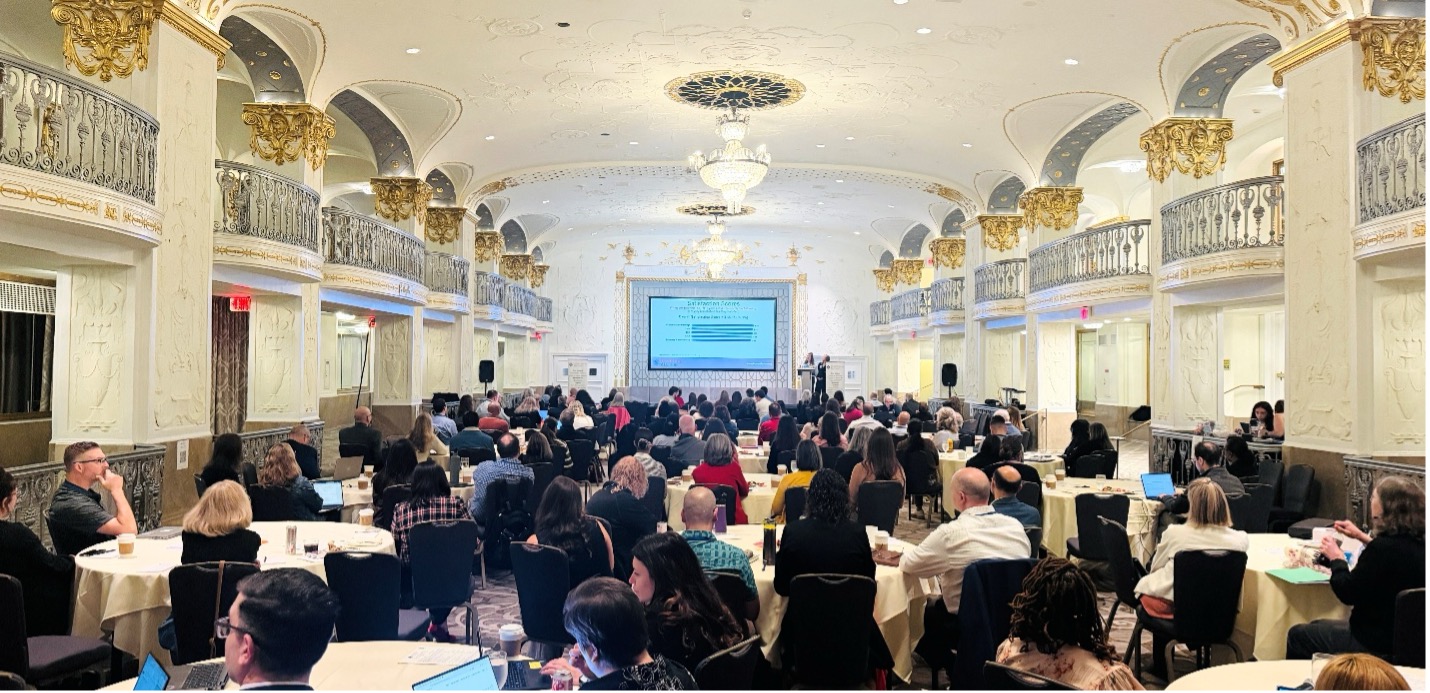

Members especially valued updates from Team Alliance, the Alliance Board of Directors, and regional leaders, while networking continued to be a meeting highlight. One member celebrated “Networking with six new-to-me HTCs!” Another appreciated “Meeting the new leaders joining HTC teams! There is an excitement that they bring becoming a part of the bleeding disorders community.”

Members also valued sessions on payer challenges, Medicaid, and updates from Washington, with one attendee noting their favorite part was “…all of the sessions – they were very timely and informative!”.

We appreciate attendee feedback and look forward to creating even more opportunities for small-group discussions and networking at future meetings. Thank you to everyone who helped make this gathering so memorable.

Speaker Spotlight, Upcoming 29th Annual Linda Gammage Social Worker Conference
by Alliance Staff

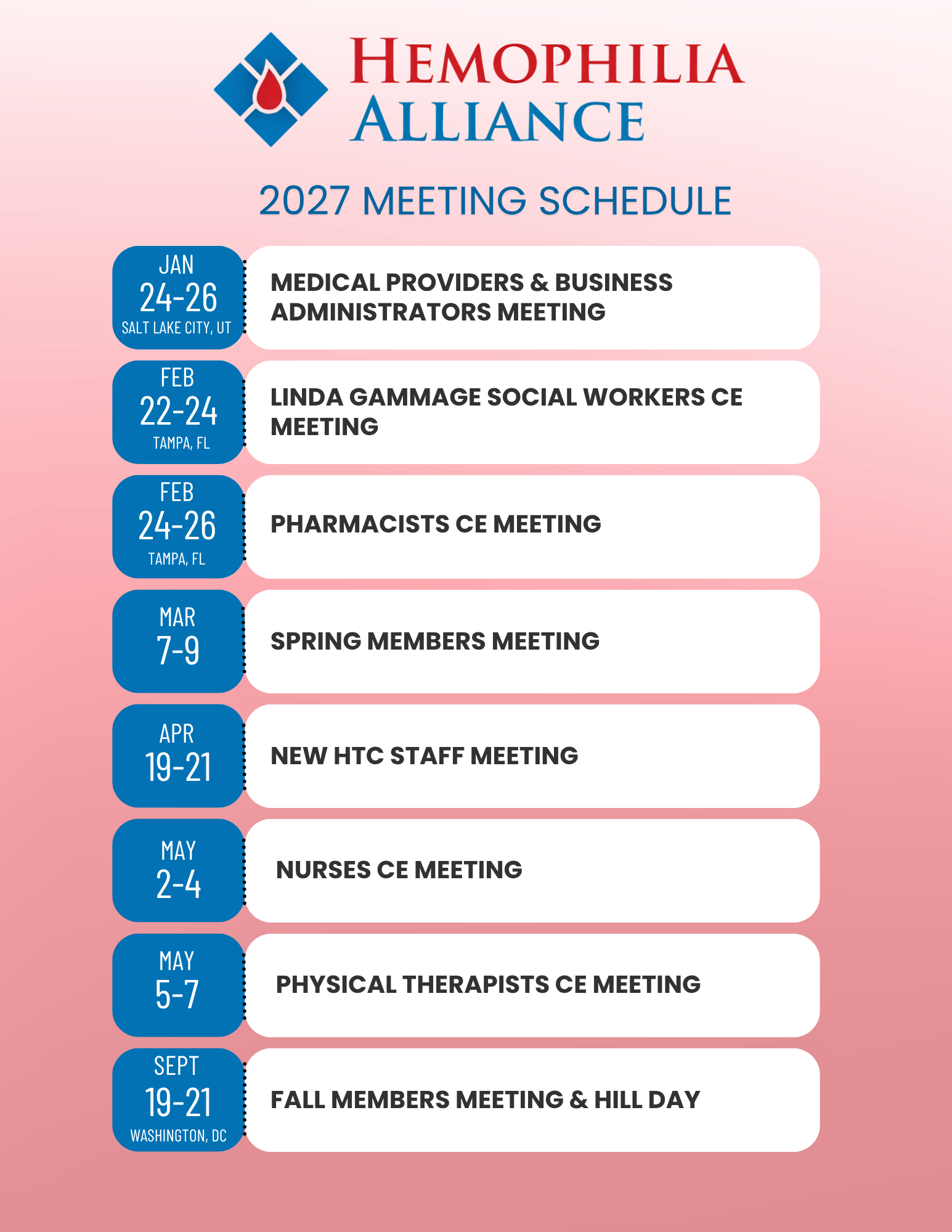
We are thrilled to welcome Chris McLaughlin, MSW, LCSW as the featured full-day speaker for the 29th Annual Linda Gammage Social Worker Conference on February 23, 2027, in Tampa, Florida.


In his theatrical-inspired presentation, Finding Our Light: The Life of a Social Worker in Four Acts, Chris will guide attendees through the themes of Belonging, Joy, Grief & Loss, and Resilience. Through storytelling, reflection, and practical application, participants will explore how these experiences shape ethical, relational, and sustainable practice.

Known for his engaging presentation style and authentic storytelling, Chris brings a unique blend of clinical expertise, leadership, advocacy, and education to a variety of audiences. In addition to his work as a social worker and educator, he is the founder of Inspired Consulting Group, LLC and co-host of the Inspired Insights Podcast, helping professionals and organizations cultivate a culture of growth based on resilience, connection, and purpose.

We look forward to an energy-filled day of learning, reflection, and inspiration with Chris in Tampa!
Notes From The Community

What Is a 340B Program and Why Does It Matter for People with Bleeding Disorders?

340B

Hemaware, the magazine of the National Bleeding Disorders Foundation, recently ran an article on “What is a 340B Program and Why Does It Matter for People with Bleeding Disorders?” The article features extensive commentary from Hemophilia Alliance President Jeff Blake.

Have a story you want to share or a topic you would like us to cover?

Team Alliance Contact Information

We work for you! Please don’t hesitate to contact any of us with any questions or concerns:

Name Email Phone
Jeff Blake jeff@hemoalliance.org 317-657-5913
Jennifer Borrillo, MSW, LCSW, MBA borrillo@hemoalliance.org 504-376-5282
Heidi Lane, PT, DPT, PCS heidi@hemoalliance.org 435-659-1230
Theresa Bello, PharmD, Rph bello@hemoalliance.org 732-674-0176
Angela Blue, MBA angela@hemoalliance.org 651-308-3902
Karen Bowe-Hause, MBA, MT karen@hemoalliance.org 717-571-0266
Jazzmine Brown, MBA, MSW, LCSW jazzmine@hemoalliance.org 770-570-2649
Ashley Castello, MEd ashley@hemoalliance.org 225-266-5062
Zack Duffy zack@hemoalliance.org 503-804-2581
Michael B. Glomb MGlomb@ftlf.com 202-466-8960
Miriam Goldstein mgoldstein@artemispolicygroup.com 703-304-8111
Johanna Gray, MPA jgray@artemispolicygroup.com 703-304-8111
Kiet Huynh kiet@hemoalliance.org 917-362-1382
Elizabeth Karan elizabeth@karanlegalgroup.com 612-202-3240
Kollet Koulianos, MBA kollet@hemoalliance.org 309-397-8431
Roland P. Lamy, Jr. roland@hemoalliance.org 603-491-0853
Danisha Nicolas, MPH danisha@hemoalliance.org 305-399-3974
Dr. George L. Oestreich, Pharm.D., MPA george@gloetal.com 573-230-7075
Nyla Page nyla@hemoalliance.org 603-986-0733
Theresa Parker theresa@hemoalliance.org 727-688-2568
Jennifer Anders Rose rose@hemoalliance.org 954-218-8509
Kelly Waters, MSW, LCSW kelly@hemoalliance.org 804-317-4998